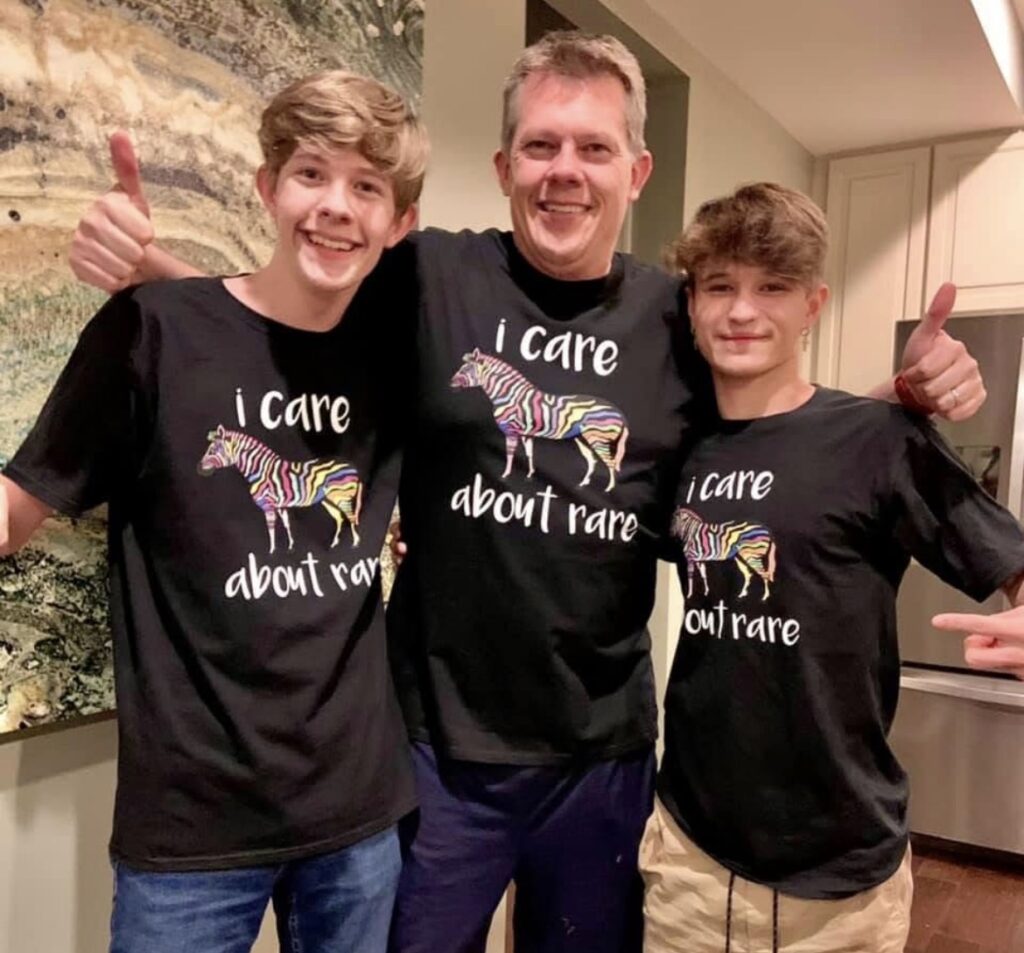
When Rare Becomes Personal: Noelle’s Story of Advocacy, Survival, and Purpose
In October 2019, Noelle Boisvert-Roach noticed something that, at first, didn’t seem alarming.
She had gone on a short-term diet to lose a few pounds. But the weight didn’t stop coming off.
Within six months, she had lost 45 pounds. By April 2020—at the start of the pandemic—she was dangerously underweight and terrified.
“I thought I had cancer,” she recalls. “There was no explanation. I just kept losing weight.”
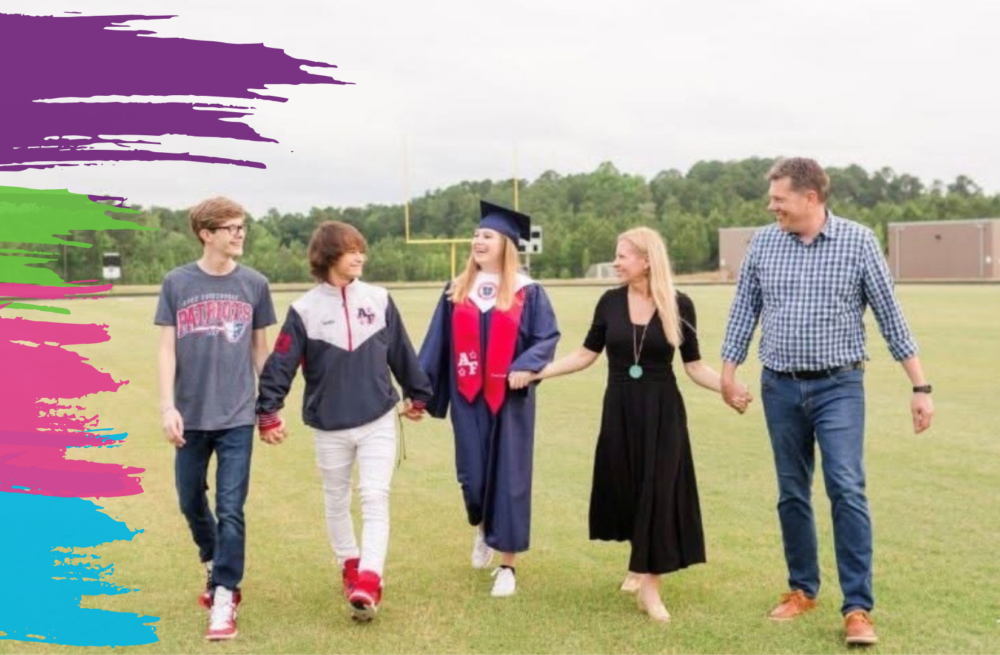
Noelle is a Senior Clinical Drug Safety Specialist at inSeption Group. She’s also a mom. At the time, her kids were in high school. While juggling carpool, working on college applications and trying to work full-time, she was also facing her mortality. During her one of her daughter’s senior picture sessions, Noelle recalls thinking “Put on your brave face, the kids don’t need to know that when you look in the mirror, you are staring down death. Just smile!” She wasn’t certain she would live to see them graduate.
A Rare Diagnosis in the Middle of a Pandemic
After multiple appointments and referrals, a possibility emerged: Superior Mesenteric Artery syndrome (SMA syndrome).
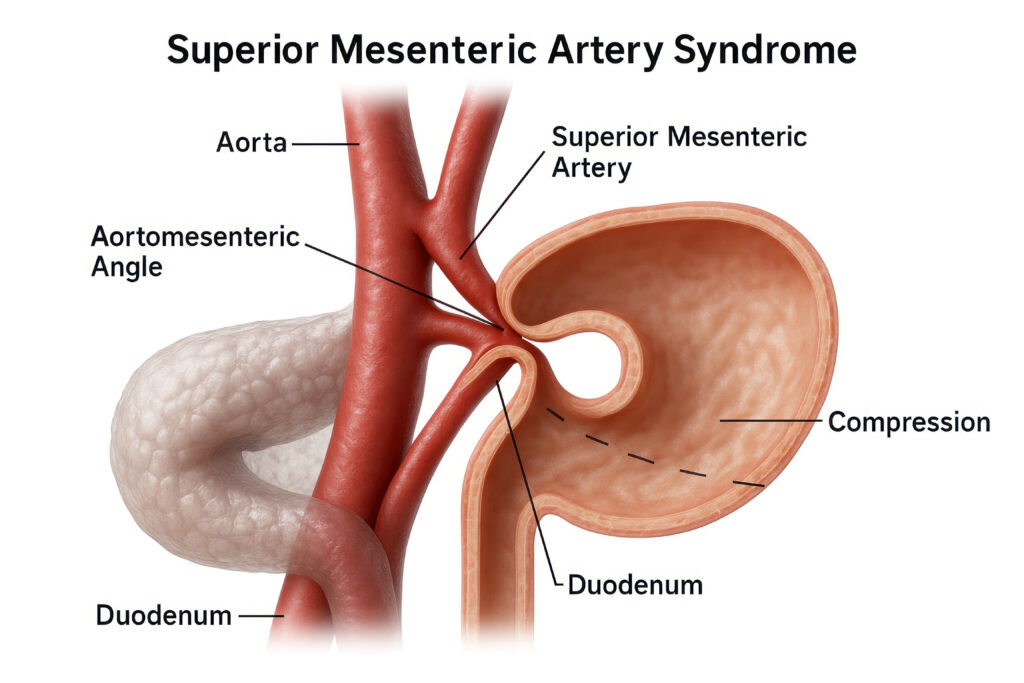
SMA syndrome is a rare, potentially life-threatening vascular compression disorder. The third part of the duodenum becomes pinched between the abdominal aorta and the superior mesenteric artery. Rapid weight loss reduces the fatty cushion that normally keeps these structures separated. The result: severe abdominal pain, nausea, vomiting, and in Noelle’s case, the inability to eat without intense distress.
Diagnosis wasn’t simple. SMA syndrome most often affects teenage girls. Noelle was in her late 40s and didn’t meet the typical profile. She had to push—hard—for doctors to consider it seriously.
She found a private patient advocacy group on Facebook. Most members were moms advocating for their daughters. It was there that she learned how to ask better questions and which specialists might actually listen.
“No one wanted to do the surgery,” she says. The procedure would reroute her intestines so she could eat normally again. It was complex, risky, and happening in the middle of a global pandemic.
After assembling a multi-specialty care team, she finally had surgery in November 2020. But that wasn’t the end of the story.
The Missing Piece
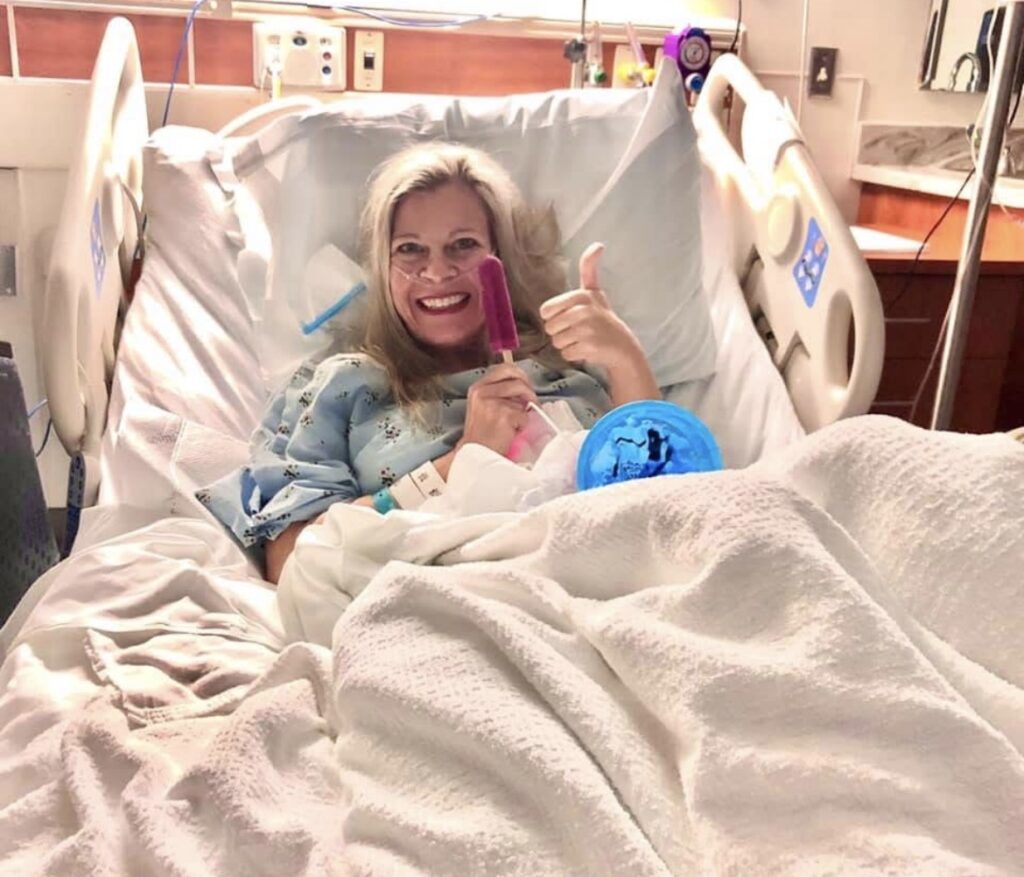
Afterward, Noelle’s weight dropped to 88 pounds. She required twice-a-week nutritional IV infusions. She couldn’t work. And still, something wasn’t right.
Two years after her SMA surgery, the real underlying cause was finally identified: Eosinophilic esophagitis (EoE).
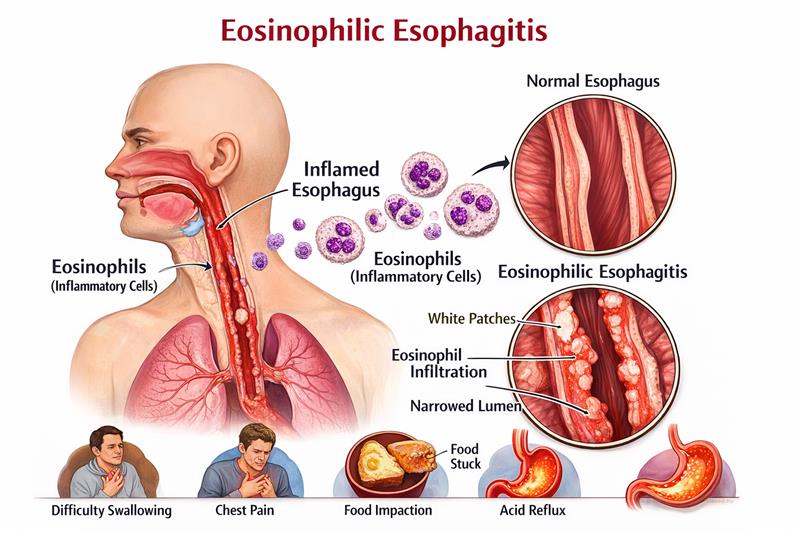
EoE is a chronic, immune-mediated inflammatory disease of the esophagus, often triggered by food allergens or environmental factors. Though increasingly recognized, it’s still considered rare, affecting roughly 1 in 700 to 1 in 2,000 people.
For Noelle, the diagnosis was strangely comforting.
“It finally felt like I was on the path to getting my health back.”
Doctors believe the underlying EoE likely contributed to the cascade of weight loss that triggered her SMA syndrome. Identifying her specific allergen required eliminating the top eight allergens from her diet and slowly reintroducing them until her eosinophil levels normalized.
It was painstaking. But it was progress.
When Advocacy Becomes Survival
Her journey to diagnosis mirrors the path of so many other rare disease patients: delays, denials, and a desperation to find healthcare providers who would simply believe her.
One surgeon, in front of two interns, accused her of hiding an eating disorder. He refused to agree to surgery unless she consented to a feeding tube “to prove” she could gain weight and keep it on. He made certain that she knew that feeding tubes are very painful.
“Instead of feeling like he was trying to help me,” Noelle says, “I felt like I was being cross-examined in a courtroom for murder.”
At one point, he looked at her and asked, “Are you happy now?”
“I started crying,” she remembers. “Am I happy? Of course I am not happy! I don’t think any rational person is happy to have a prescription for a feeding tube. I have three children in high school and I am on death’s doorstep. I came to you for help in saving my life—not to be interrogated and made to feel to like I am responsible for my illness.”
When the surgeon left the room, it was obvious the whole encounter left a mark on the two interns. “They hugged me and apologized for his behavior and provided a personal escort to the front desk complete with tissues. I recall thanking them and telling him that I hoped this was an important lesson for them on patient care. On the three-hour ride home all I could think about was how that encounter could have been different if I was a young teenager or somebody who did not have the family support that I did.”
Thankfully, her original GI specialist stepped in, collaborating with a general surgeon, a bariatric surgeon and a vascular specialist. The team of four physicians determined that a feeding tube at that point was barbaric and unnecessary. Noelle was scheduled for surgery the following week.
“It’s exhausting,” she says. “But you have to keep pushing. Keep advocating. Keep researching. Just keep going.”
Life Now
Today, Noelle lives in a healthy BMI range. She can exercise. She can go hiking. She still experiences nausea and undergoes regular endoscopies and tries to manage her daily symptoms.
But she’s here.
She remains active in the SMA Syndrome Facebook group. What was once a lifeline during the loneliest months of her diagnosis has become a community. She has met other patients and leaders from the group and continues to support others navigating the same terrifying uncertainty.
And she’s hopeful. When she was first diagnosed, the mortality rate for SMA syndrome was reported to be as high as 33%. Increased awareness has lowered that number, but the fear she felt in those early days is something she will never forget.
Why This Work Matters
At inSeption Group, Noelle works in drug safety. On paper, her role is far removed from individual patients.
“It can be easy to forget that what we’re doing makes a difference,” she says. “I’m not standing at a bedside. I’m reviewing reports.”
But sometimes she reads a case report describing what someone has endured.
“And my heart just goes out to that person,” she says. “When I step back and remember why we do this work, I realize I am making an impact for someone who might be going through something like I did.”
Rare Disease Day is about awareness. But it’s also about people.
It’s about mothers fighting to stay alive for their children.
It’s about pushing for answers when tests come back “normal.”
It’s about finding community when you feel alone.
It’s about refusing to accept “we don’t know” as the final answer.
If Noelle could speak to herself at the beginning of this journey, she knows exactly what she’d say:
“Never ever grow tired of advocating for yourself. If doctors aren’t getting answers, it’s your job to chase down specialists, get scheduled, get tests, and seek quality conversations. Don’t feel bad about doctor shopping. In fact—do it. You need a true partner before, during, and after surgery. When the tests come back normal or when the surgery doesn’t fix it, you need someone to help you ask, ‘Now what?’ You know your body better than anyone. And you know when something isn’t right.”
This Rare Disease Day, we honor Noelle, and the millions of people living with rare conditions who refuse to stop advocating for a better future.